
Social Media and Mental Health: Is Your Feed Helping or Hurting You?
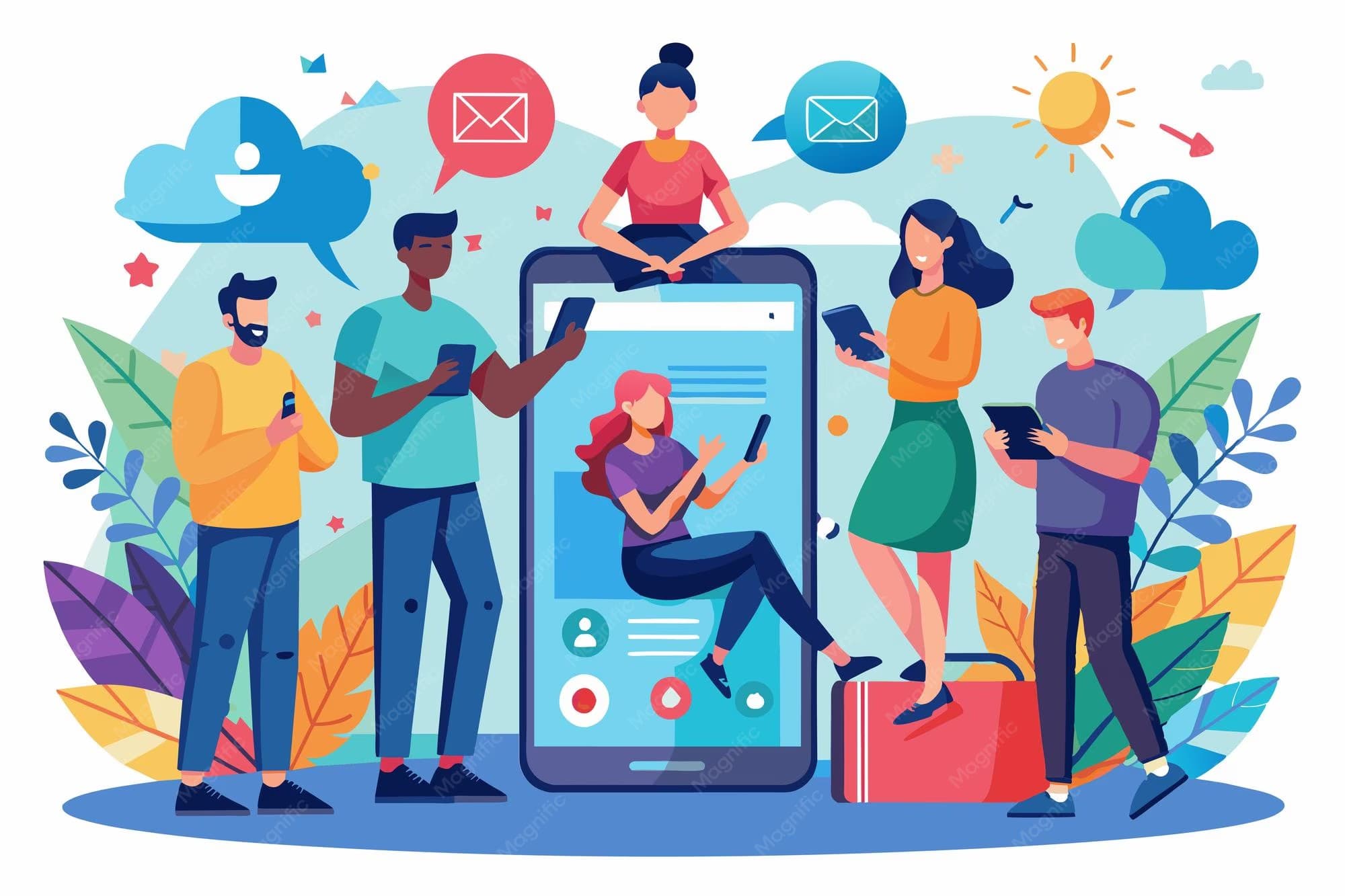
There is no secret that social media has transformed the way we communicate, learn, and stay connected in recent years. Whether you're checking in with family or friends, following current events, or discovering new ideas, platforms like Instagram, Facebook, TikTok, LinkedIn, and others have become apart of everyday life. While social media offers many benefits, it can also take a toll on mental health when used without awareness.

Dr.Vicki Bolina
Executive Cllinical Diretor
Social Media and Mental Health: Is Your Feed Helping or Hurting You?
There is no secret that social media has transformed the way we communicate, learn, and stay connected in recent years. Whether you're checking in with family or friends, following current events, or discovering new ideas, platforms like Instagram, Facebook, TikTok, LinkedIn, and others have become apart of everyday life. While social media offers many benefits, it can also take a toll on mental health when used without awareness.
As mental health providers, we often hear patients describe feeling overwhelmed, anxious, inadequate, or emotionally drained after spending time online. The important question is not whether social media is "good" or "bad." Rather, it's whether your social media habits are supporting your emotional well-being or working against it. So let's talk about this.
Despite its challenges, we know social media can provide meaningful benefits when used intentionally. For many people, social media helps maintain relationships and foster community. It can provide opportunities to connect with family members, and friends who may otherwise be far from you, join professional networks, and communicate with individuals who have shared experiences. People facing health challenges, life transitions, or mental health concerns often find comfort in online support communities where they feel understood and less alone.
Social media can also be a valuable source of learning and motivation. Many users follow accounts focused on mental health, wellness, personal development, education, and career growth. Exposure to encouraging and informative content can promote self-awareness and positive behavior change.
However, when social media becomes harmful, we really need to step back and evaluate our usage.
We know certain patterns of use may negatively affect emotional and mental health well-being.
The Comparison Trap
One of the most common challenges is social comparison. Social media often highlights the best moments of people's lives: vacations, achievements, celebrations, and milestones. What we don't typically see are the struggles, disappointments, and ordinary simple and sometimes boring moments that make up everyday life.
When we compare our behind-the-scenes reality to someone else's curated highlight reel, feelings of inadequacy can emerge. Over time, repeated comparisons may affect self-esteem, confidence, and overall life satisfaction.
Information Overload
Many people consume an endless stream of information throughout the day. News updates, personal stories, advertisements, opinions, and videos compete for attention. While staying informed can be valuable, constant exposure to distressing or emotionally charged content may contribute to mental fatigue and emotional exhaustion.
If you find yourself feeling mentally drained after scrolling, information overload may be playing a role.
Seeking Validation Online
Social media platforms are designed to encourage engagement. Likes, comments, and shares can provide short-term feelings of validation and connection.
However, problems may arise when self-worth becomes tied to that online feedback. Relying heavily on external validation can create anxiety and disappointment, particularly when content does not receive the response we hoped for.
Increased Anxiety and Stress
Many individuals experience anxiety related to the pressure of always being connected. Fear of missing out (FOMO), concerns about social acceptance, and the expectation to remain constantly available can contribute to chronic stress.
Instead of serving as a source of connection, social media may begin to feel like another obligation competing for attention.
Signs Your Feed May Be Affecting Your Mental Health
Consider how you typically feel before, during, and after engaging with social media. Warning signs that your feed may be negatively influencing your well-being include:
- Feeling worse about yourself after scrolling
- Increased self-criticism or negative self-talk
- Difficulty concentrating on daily tasks
- Anxiety when unable to check social media
- Frequent comparisons with others
- Sleep disruption related to screen use
- Feeling emotionally exhausted or overwhelmed
- Spending more time online than intended
- Feeling more comfortable being online on screens instead of engaging with actual people around you
Awareness is often the first step towards making healthier choices.
efe86b74 ded1 4451 aea1 0fcf883630eb
How to Create a Healthier Social Media Experience
Audit Your Feed
Pay attention to how different accounts make you feel. Consider unfollowing or muting content that consistently leaves you feeling anxious, angry, inadequate, or discouraged. Instead, follow accounts that educate, inspire, or promote healthy perspectives.
Set Healthy Boundaries
Creating limits around social media use can help prevent mindless scrolling and improve overall well-being. Consider designating screen-free times during meals, before bedtime, or during family activities. Setting up timers using build-in tools on your phones.
Small boundaries can create meaningful improvements in focus, mood, and sleep quality.
Prioritize Real-Life Relationships
While online connections can be valuable, they should never replace meaningful in-person interactions. Investing time in friendships, family relationships, hobbies, and community activities can strengthen emotional resilience and reduce feelings of isolation.
Practice Mindful Scrolling
Before opening an app, ask yourself why you're logging on. Are you looking for information, connection, entertainment, or simply responding to boredom? Being intentional about your social media use can help reduce automatic habits and improve your overall experience.
Take Digital Breaks
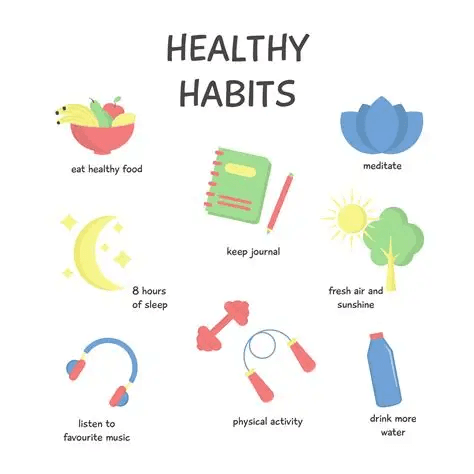
Periodic breaks from social media can provide an opportunity to reset and evaluate its impact on your mood and mental health. Even stepping away for a few hours at a time can help increase awareness of how these platforms affect your daily life. Engage in healthy habits such as writing in a journal, going for a walk etc. can help you recharge.
b18a0f15 9063 4125 a4d8 f6bb2b70e3a8
When It May Be Time to Seek Support
If social media use is contributing to persistent anxiety, low self-esteem, depression, or difficulties in your relationships, professional support may be needed. Therapy can help individuals develop healthier coping strategies, improve self-confidence, establish boundaries, and build a more balanced relationship with technology.
Social media itself is neither the hero nor the villain. It is simply a tool. The difference often lies in how we use it and how it influences our thoughts, emotions, and behaviors.
**Take a moment to reflect on your own experience: When you finish scrolling, do you generally feel informed, inspired, and connected, or do you feel drained, anxious, and dissatisfied?
Your answer may reveal whether your feed is supporting your mental health or quietly working against it.**
If at any point you would like more guidance, or if low mood, anxiety, or intrusive thoughts interfere with daily functioning, contact one of our providers at Hope Wellness Medical Center (Hope WMC) https://hopewmc.com/our-providers
Happy and healthy scrolling! Dr. Vicki Bolina